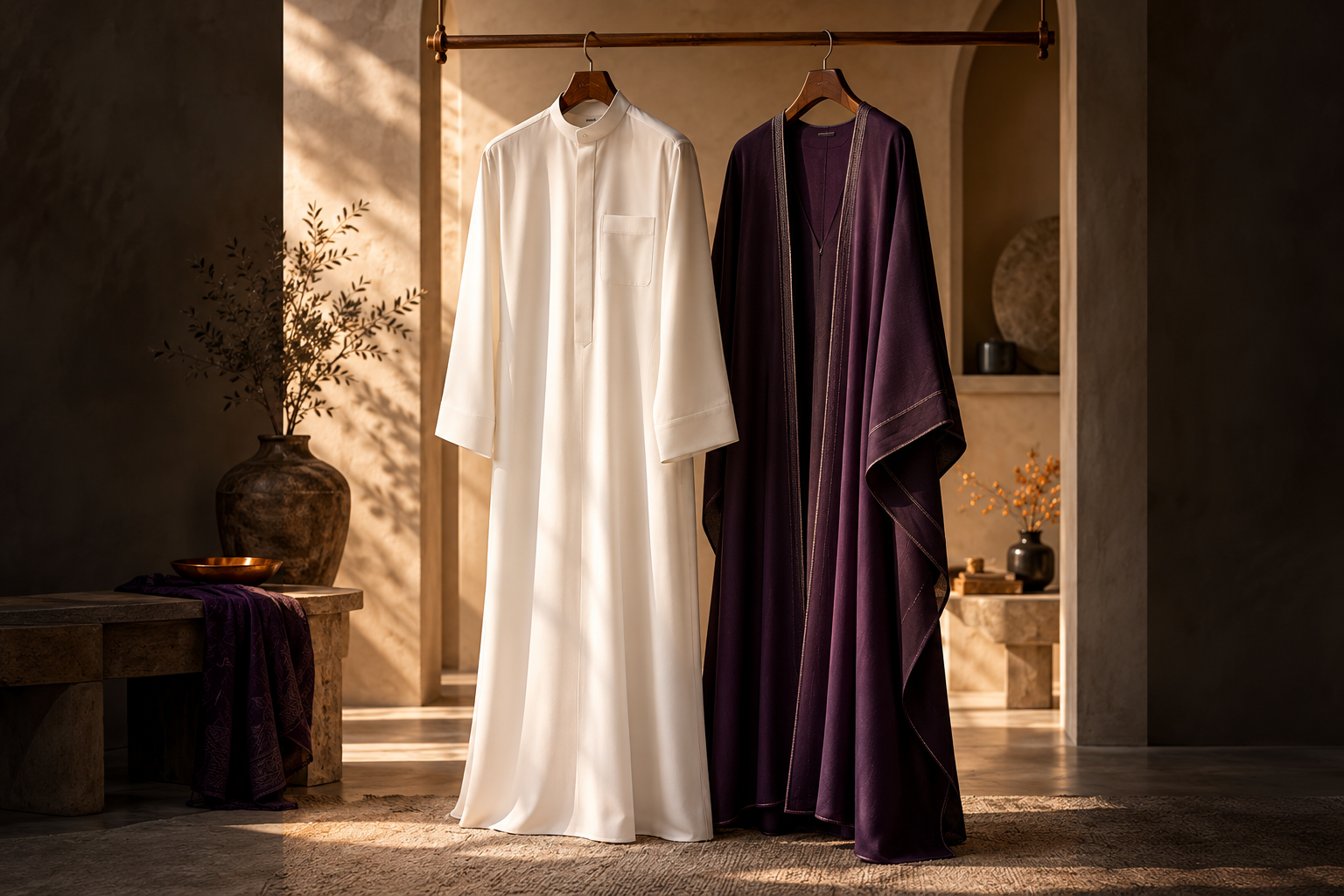


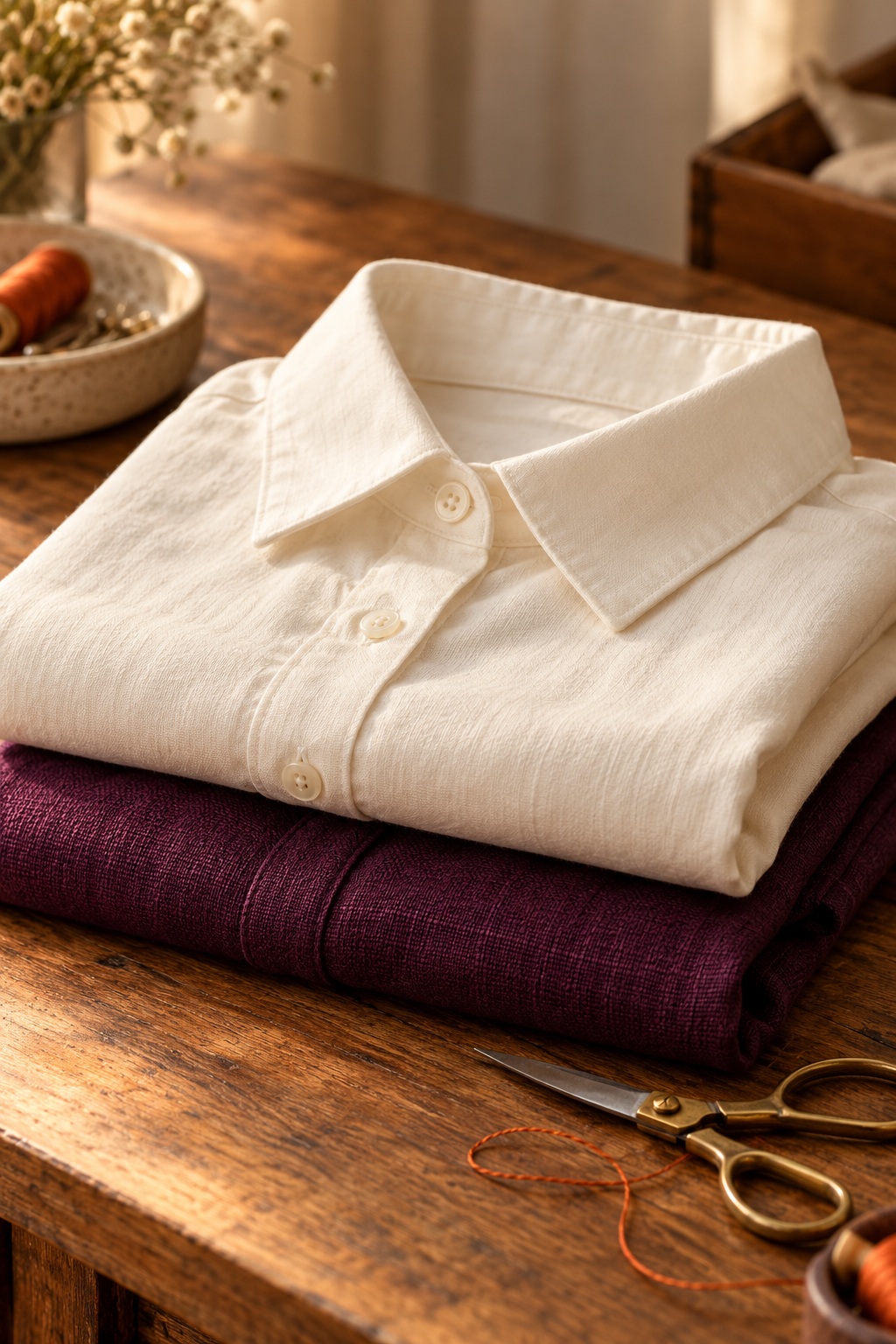
A good garment can lose its appeal if it doesn't fit. A little extra length, a loose waist, or a sleeve that covers your hand are small details that change the whole look. This guide explains when a garment needs altering, which alterations are most common, and how to prepare for a fitting.
Signs your garment needs altering
- Your trousers bunch over your shoes or touch the ground when you walk.
- The waist is loose enough that you need a belt to hold it up.
- The sleeve covers part of your hand or stops short of your wrist.
- The length is right, but the sides are loose, so the piece looks a size too big.
- The zipper catches or has lost teeth, so the garment stays in the wardrobe.
The most common alterations
Shortening
The simplest alteration, and often the one with the most impact. The right length depends on the garment and how you wear it; trouser length, for example, depends on the shoes you pair them with.
Size alterations and waist adjustment
Useful when a garment is loose in specific places. Taking in the waist or the sides brings the piece closer to your body without losing comfort.
Trouser tapering
This changes the cut of the leg to sit closer to the body or fall straighter. It is one of the easiest ways to update an older pair of trousers.
Zipper replacement and lining
A new zipper brings a forgotten garment back into use. A lining makes a piece more comfortable on the inside and helps it hang better.
Style alterations
When you love the fabric but not the design, some details can be changed to refresh the piece.
What can be altered, and where are the limits?
Taking a garment in is usually easier than letting it out, because letting out depends on spare fabric inside the seams. Altering the shoulders is more complex than adjusting the length or waist, because it affects the structure of the garment. Some materials, such as leather and embroidered fabrics, need a closer look before any work. That is why every alteration starts with examining the garment itself.
How to prepare for a fitting
- Wear the garment with the shoes you usually wear with it.
- Bring the garment clean and ready to wear.
- Explain how you want it to look: relaxed, closer to the body, or a specific length.
- If you have another piece whose fit you like, bring it as a reference.
Dressing for Riyadh's climate
With heat for most of the year, comfort is part of a good fit. A garment that is too tight is uncomfortable on a hot day, and one that is too loose loses its polish. The goal is a fit that looks neat and still lets you move freely.
In short
The right alteration extends the life of your clothes and lets you wear what you already own instead of replacing it. At TARZI we alter men's and women's clothing in Riyadh. You can request a service through WhatsApp, with pickup and delivery to your door.